

What happened does not have to define what comes next
Sexual abuse can affect people differently, and there is no single way you are supposed to feel or respond.
For some people, the effects are immediate. For others, difficult emotions or relationship patterns become clearer months or even years later.
You may struggle with trust, boundaries, intimacy, anxiety, unwanted memories, shame, anger, or simply feeling disconnected from yourself or others.
You do not need to fully understand your experience before seeking support. Counseling can begin with what is affecting your life right now.
Sexual abuse can involve violations of consent, trust, or boundaries
Sexual abuse is not limited to one type of experience or relationship. It may occur when another person ignores, manipulates, pressures, or violates a person’s ability to freely choose what happens to their body.

Experiences can be difficult to label
You may feel uncertain about what happened, particularly when manipulation, pressure, fear, authority, or a trusted relationship was involved. You do not need a perfect label before asking for support.

Experiences can be difficult to label
You may feel uncertain about what happened, particularly when manipulation, pressure, fear, authority, or a trusted relationship was involved. You do not need a perfect label before asking for support.
The effects can reach different areas of life
There is no checklist that describes everyone’s experience. These are some areas that may become more difficult after sexual abuse.

Safety & Trust
You may find it difficult to relax, trust other people, or feel secure even in situations that are not currently dangerous.

Emotions & Self-Worth
Sexual abuse may contribute to shame, guilt, fear, anger, sadness, anxiety, or changes in the way you see yourself.

Relationships & Intimacy
Trust, closeness, communication, boundaries, and comfort with emotional or physical intimacy may become more complicated.

Everyday Life
Memories, triggers, sleep concerns, concentration difficulties, or emotional reactions may affect work, school, routines, and relationships.
Signs you may benefit from additional support
You do not have to wait until these concerns become overwhelming before talking with someone.
- Feeling uncomfortable with physical or emotional closeness
- Feeling shame, guilt, fear, anger, or confusion
- Feeling disconnected from your body or emotions
- Anxiety or distress around intimacy
- Questioning whether what happened was your fault
- Difficulty trusting other people
- Avoiding certain people, places, situations, or conversations
- Difficulty setting or maintaining personal boundaries
- Unwanted memories, nightmares, or reminders
- Feeling constantly alert or unsafe
Counseling can help you reconnect with safety, choice, and trust
Counseling does not require you to move faster than you are ready to move. The process can focus on what feels most important in your life today.
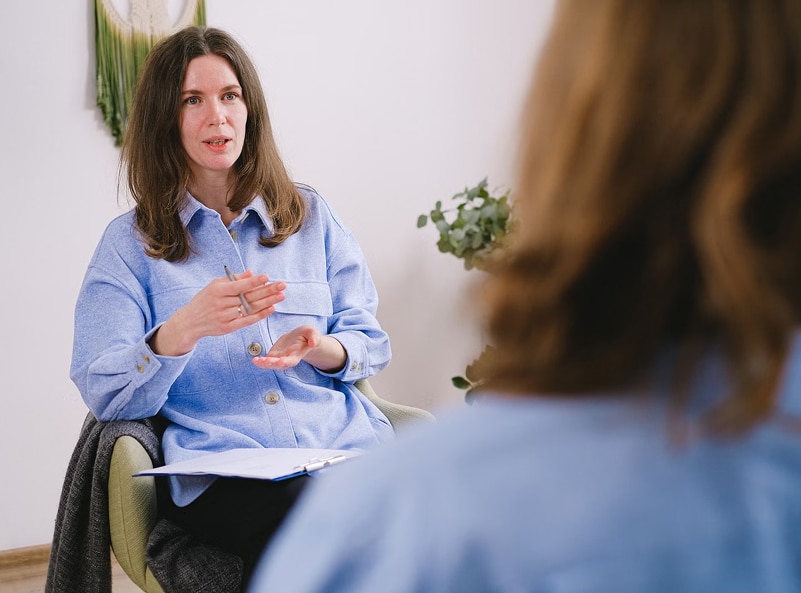
Make sense of your reactions
Explore how past experiences may be affecting emotions, thoughts, relationships, boundaries, intimacy, or your sense of safety today.
Strengthen boundaries and choice
Counseling may help you become more confident identifying your needs, communicating limits, and making choices that reflect your comfort and well-being.
Rebuild trust and connection
Work toward healthier relationships with yourself and others while exploring trust, communication, self-worth, and meaningful connection.
You decide what you are ready to talk about
Beginning counseling does not mean you have to explain every detail of what happened during your first appointment. You can start with the concerns affecting you now. Your therapist can work with you to create a counseling direction that respects your boundaries, goals, comfort level, and choices.
Support centered on you, not just what happened to you
At Exhale, counseling begins by understanding the person in front of us, your experiences, current concerns, strengths, relationships, responsibilities, and goals. Your therapist can work with you to explore the areas of life that feel most important while creating a process that feels collaborative and manageable.
Starting sexual abuse counseling
Your first sessions are about understanding where you are today and what you would like counseling to help you with.

Begin with your current concerns
Talk about what has brought you to counseling and how your experiences may be affecting life today.

Decide what feels important
You and your therapist can identify priorities, goals, and areas where additional support may be useful.

Continue at your own pace
Sessions can evolve over time as you build awareness, confidence, boundaries, coping strategies, and healthier patterns.
Sexual abuse counseling in Tulsa and online across Oklahoma
Exhale offers in-person counseling at Downtown Tulsa and South Tulsa, with virtual counseling available for eligible clients across Oklahoma.
Downtown Tulsa
1611 S Denver Ave, 74119
South Tulsa
7702 E 91st, Suite 225, 74133

Can’t make it in?
Teletherapy available statewide in Oklahoma
Questions about sexual abuse counseling
Sexual abuse generally involves sexual activity, contact, behavior, or exploitation in situations where consent was not freely given or could not be given. It may occur in childhood, adolescence, or adulthood and may involve someone known to the person or someone they trusted.
Yes. Some people notice effects soon after an experience, while others begin recognizing them much later. Past sexual abuse may affect trust, self-esteem, relationships, boundaries, intimacy, mood, sleep, or reactions to certain situations.
No. Counseling can begin with what is affecting you today. You and your therapist can talk about what feels comfortable to discuss and move at a pace that reflects your needs and goals.
It can. Some people experience difficulty with trust, closeness, boundaries, communication, or feeling comfortable with intimacy. Counseling can provide space to understand these reactions and explore healthier patterns.
Self-blame, shame, and confusion can occur after abusive experiences. Counseling can help you explore these thoughts and better understand how abuse, manipulation, coercion, or violations of trust may have shaped the way you view what happened.
Yes. Experiences from childhood may continue influencing emotions, relationships, trust, boundaries, or self-perception during adulthood. Counseling can focus on how those experiences are affecting your life now.
Virtual counseling may be available for eligible clients located throughout Oklahoma. This can offer additional flexibility when distance, work, transportation, health concerns, or family responsibilities make office visits more difficult.
Use the Schedule a Session button on this page to get started. Exhale can help you review therapist availability and in-person or virtual counseling options.
Related counseling services
Explore additional support depending on your experiences and current concerns.