

Even when divorce is the right decision, it can still be a loss
Ending a relationship can bring relief and grief at the same time.
You may be grieving the relationship, the family structure you knew, shared routines, friendships, financial stability, or plans you once expected to experience together.
At the same time, there may be legal decisions, parenting responsibilities, housing changes, work demands, and difficult conversations that still require your attention.
Counseling gives you somewhere to process the emotional side of the transition while working through the parts of daily life that may now feel unfamiliar or overwhelming.
Divorce can affect more than the relationship itself
Separation can create changes across emotions, family life, and everyday routines all at once.

Processing what is ending
Sadness, anger, relief, fear, guilt, loneliness, and uncertainty may appear at different points during or after divorce.
Adjusting to new family dynamics
Parenting responsibilities, schedules, communication, extended family relationships, and children’s routines may all need to adjust.

Building a different everyday life
Divorce may mean creating new routines, redefining your identity, managing responsibilities differently, and deciding what you want the next chapter to look like.
You may be carrying more than people around you realize
Divorce affects everyone differently, and some challenges become clearer only after the immediate decisions begin settling down.
- Feeling overwhelmed by sadness, anger, guilt, or uncertainty
- Grieving the relationship or the future you expected
- Stress related to parenting or co-parenting changes
- Worry about how separation is affecting your children
- Anxiety about finances, housing, or other life changes
- Feeling stuck between wanting to move forward and looking back
- Difficulty adjusting to a new daily routine
- Feeling unsure about your identity outside the relationship
- Difficulty communicating with a former partner
- Feeling isolated from friends, family, or shared social circles
- Difficulty trusting future relationships
- Struggling with major decisions during the transition
Moving forward does not mean pretending the relationship never mattered
Adjustment Takes Time
A major relationship can shape your routines, identity, friendships, family life, expectations, and memories for years. Adjusting after divorce is rarely as simple as deciding to “move on.” Counseling gives you room to acknowledge what was meaningful, understand what was painful, and decide what you want to carry forward and what you would like to leave behind.
Counseling can help you navigate the transition with greater clarity
You do not have to solve every part of your future at once. Counseling can focus on the areas that are creating the most stress right now.
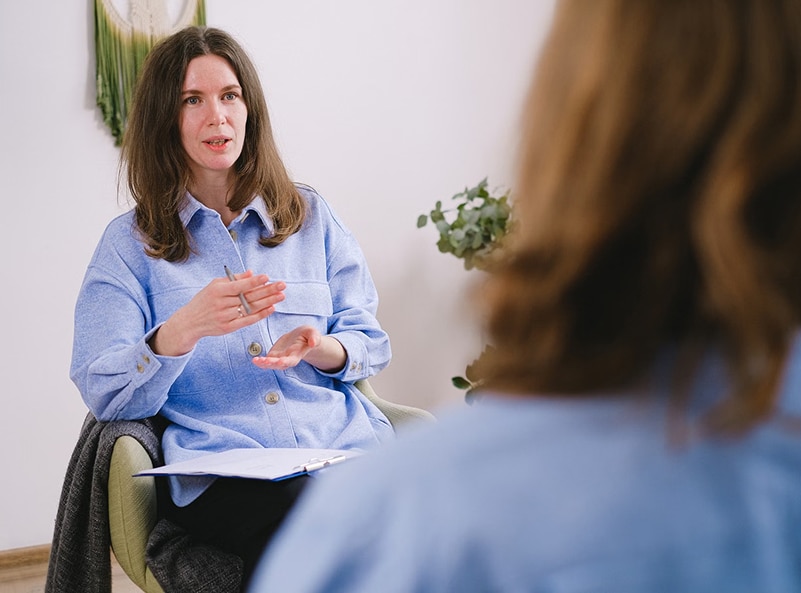
Process difficult emotions
Make space for grief, anger, uncertainty, relief, guilt, loneliness, or other emotions without feeling pressured to have everything resolved immediately.
Navigate family changes
Explore communication, parenting concerns, boundaries, routines, and the ways separation may be affecting children or other family relationships.
Rebuild confidence and direction
Begin thinking about your own needs, values, routines, relationships, goals, and what you want life after divorce to look like.
When the marriage ends but parenting continues
Divorce may end a partnership, but when children are involved, parents often remain connected through schedules, school decisions, activities, holidays, health needs, and everyday responsibilities.
Counseling can help you think through communication, boundaries, emotional reactions, and ways to keep adult conflict from dominating parenting conversations.
What to expect when your family begins counseling
The first step is understanding what your family is experiencing and what you would like to improve.

Understand where you are now
Talk about the relationship, separation, current stress, family circumstances, emotions, and the areas where support feels most important.

Identify immediate priorities
Focus on the emotions, communication challenges, parenting concerns, routines, or other changes requiring the most attention.

Begin creating what comes next
Over time, counseling can shift toward rebuilding routines, confidence, relationships, boundaries, and a stronger sense of direction.
Divorce counseling in Tulsa and online across Oklahoma
Exhale offers in-person counseling at Downtown Tulsa and South Tulsa, with virtual counseling available for eligible clients across Oklahoma.
Downtown Tulsa
1611 S Denver Ave, 74119
South Tulsa
7702 E 91st, Suite 225, 74133

Can’t make it in?
Teletherapy available statewide in Oklahoma
Questions about divorce counseling
Divorce counseling provides emotional and practical support for people navigating separation, divorce, or the changes that follow. Counseling may focus on grief, stress, identity, communication, family relationships, co-parenting, emotional adjustment, and rebuilding daily life.
Yes. Divorce counseling can be individual. You do not need your former partner to participate in order to seek support for your own emotions, decisions, adjustment, relationships, or goals.
Yes. Some people begin counseling while separation or divorce is still underway. Therapy can provide space to manage emotions, process changes, communicate more intentionally, and think through how the transition is affecting everyday life.
Counseling may help parents explore communication, boundaries, routines, expectations, conflict, and ways to keep children’s needs from becoming lost in adult disagreements. The exact approach depends on the family’s circumstances.
Children can respond to divorce in different ways depending on their age, temperament, family situation, and other factors. Counseling may help children or families process changes, communicate more openly, and adjust to new routines and relationships.
No. Counseling focuses on emotional well-being, relationships, communication, coping, and adjustment. Legal questions involving property, custody, court procedures, or financial agreements should be discussed with an appropriate legal professional.
Yes. Emotional adjustment can continue long after legal proceedings end. Counseling may help with grief, loneliness, identity, parenting changes, trust, future relationships, or building a new sense of stability.
Virtual counseling may be available for eligible clients located throughout Oklahoma. Online sessions can provide additional flexibility during a period when schedules and responsibilities may already feel difficult to manage.
Related counseling services
Divorce may also affect family relationships, parenting, grief, anxiety, self-esteem, or other areas of emotional well-being.