
When emotions and relationships feel difficult to steady
Borderline personality disorder can affect the way you experience emotions, relationships, your identity, and stressful situations.

You might care deeply about people but also worry intensely about being rejected, abandoned, misunderstood, or hurt. Small changes in a relationship can sometimes create emotions that feel much bigger than the situation appears from the outside.
You may also struggle with knowing how you feel about yourself, experience sudden shifts in mood, or react quickly when emotions become overwhelming.
These experiences can be exhausting, but counseling can help you understand recurring patterns and begin developing healthier ways to respond.
BPD can affect several areas of everyday life
Everyone experiences borderline personality disorder differently, but difficulties often appear across emotions, relationships, identity, and reactions to stressful situations.

Intense Emotions
Emotions may feel powerful, change quickly, or become difficult to regulate when something feels upsetting, uncertain, or overwhelming.

Relationships
Relationships may feel especially intense, with strong fears of rejection, abandonment, conflict, or sudden changes in how you feel toward someone.

Sense of Self
Your goals, values, confidence, or sense of who you are may sometimes feel uncertain or change depending on circumstances.
Impulsive Reactions
Strong emotions may sometimes lead to quick decisions or behaviors that create additional difficulties afterward.
A qualified mental health professional can evaluate the complete pattern of symptoms rather than relying on one concern or isolated experience.
Signs that additional support may be helpful
Symptoms vary widely. Experiencing one or two of these concerns does not automatically mean someone has borderline personality disorder.
- Intense or rapidly changing emotions
- Relationships that feel very intense or unstable
- Feelings of emptiness or emotional disconnection
- Impulsive decisions or behaviors
- Feeling disconnected from yourself during intense stress
- Strong sensitivity to rejection or abandonment
- Difficulty knowing how you feel about yourself
- Difficulty managing anger
- Seeing situations or relationships in extremes
- Difficulty calming down after upsetting situations
A licensed mental health professional can consider the complete pattern of symptoms, how long they have been present, and how they affect daily life before making a diagnosis.
Counseling can help you respond differently when emotions feel overwhelming
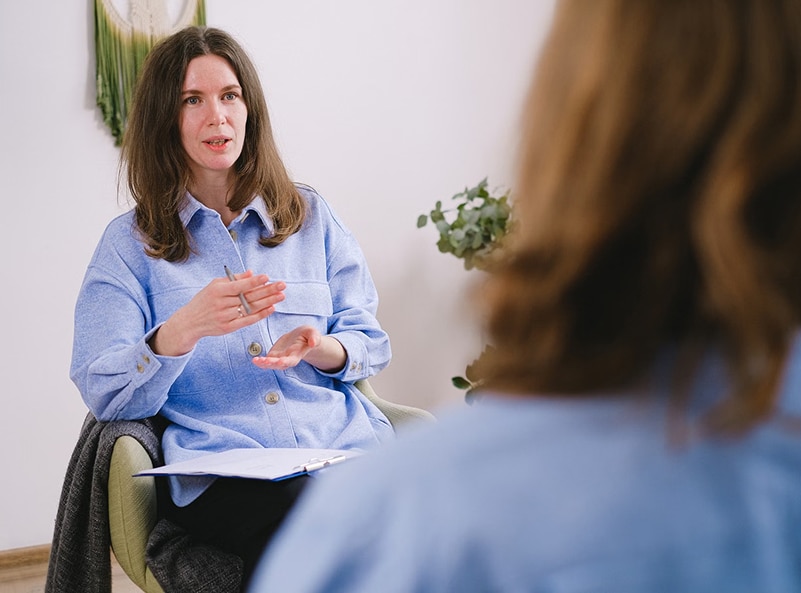
Therapy can provide a structured space to better understand recurring emotional and relationship patterns while building practical skills for everyday situations.
Understand emotional patterns
Learn to notice situations, thoughts, relationship dynamics, or experiences that may contribute to intense emotional reactions.
Develop healthier coping skills
Build practical ways to slow down, manage strong emotions, tolerate difficult moments, and make more intentional decisions.
Improve relationships and communication
Explore boundaries, trust, conflict, communication, fears of rejection, and patterns that may make relationships feel unstable or overwhelming.
A diagnosis is not a description of who you are
Borderline personality disorder describes patterns that may be creating distress or difficulty in your life. It does not define your personality, your strengths, your relationships, or what you are capable of changing. With appropriate treatment and continued support, people can learn to better manage symptoms, strengthen relationships, and improve everyday functioning.
Support built around the person, not just the diagnosis
At Exhale, counseling begins with understanding what has brought you in, how current patterns are affecting your life, and what you would like to change.
Your therapist can work collaboratively with you to identify priorities, strengthen coping skills, explore relationship patterns, and develop a counseling direction that reflects your individual needs and goals.
What to expect when you begin counseling
Your first sessions focus on understanding what is happening in your life and what you would like support with.

Understand what brought you in
Talk about emotions, relationships, current concerns, previous support, and the areas of life that feel most difficult right now.

Identify patterns and priorities
Together, you and your therapist can identify emotional, behavioral, or relationship patterns that may be important to address.

Build skills you can use outside therapy
Ongoing counseling can focus on emotional regulation, communication, coping strategies, relationships, boundaries, and more intentional responses to difficult situations.
BPD counseling in Tulsa and online across Oklahoma
Exhale offers in-person counseling at Downtown Tulsa and South Tulsa, with virtual counseling available for eligible clients across Oklahoma.

Downtown Tulsa
1611 S Denver Ave, 74119

South Tulsa
7702 E 91st, Suite 225, 74133

Can’t make it in?
Teletherapy available statewide in Oklahoma
Questions about borderline personality disorder counseling
Borderline personality disorder, or BPD, is a mental health condition that can affect emotional regulation, relationships, self-image, behavior, and everyday functioning. Symptoms vary from person to person, and a qualified mental health professional can determine whether BPD or another condition may be contributing to what someone is experiencing.
BPD may involve intense emotions, sensitivity to rejection or abandonment, unstable relationships, changes in self-image, feelings of emptiness, difficulty managing anger, impulsive behavior, or feeling disconnected during periods of intense stress. Not everyone experiences the same symptoms or experiences them with the same severity.
Yes. Psychotherapy can help many people with borderline personality disorder better manage symptoms, improve relationships, strengthen coping strategies, and improve everyday functioning.
No. Borderline personality disorder and bipolar disorder are different conditions, although some symptoms can appear similar. A qualified mental health professional can evaluate patterns, timing, mood changes, personal history, and other symptoms to determine what may be occurring.
Yes. BPD may affect trust, communication, emotional closeness, reactions to perceived rejection, conflict, and fears surrounding abandonment. Counseling can help people recognize relationship patterns and work toward healthier ways of communicating and responding.
Your first session gives you and your therapist time to discuss what has been difficult, how concerns are affecting daily life, previous treatment, relationships, strengths, and what you would like counseling to help you with.
Virtual counseling may be available for eligible clients located across Oklahoma. Online sessions can provide additional flexibility when work, distance, transportation, health concerns, or other responsibilities make office visits difficult.
Use the Schedule a Session button on this page to get started. Exhale can help you review therapist availability and available in-person or virtual counseling options.
Related counseling services
Some concerns associated with BPD may overlap with mood, anxiety, trauma, or relationship difficulties.